Hantu Font: A Spooky Addition to Your Design Projects
The Hantu font is a unique display font that has been gaining popularity among designers who want to add a spooky and mysterious touch to their creative work. This font, with its distinct character and visual appeal, can be used in various design contexts such as branding, headings, wedding designs, invitations, signatures, logos, labels, and much more. In this article, we will explore the features of the Hantu font, its uses, and how it can elevate your design projects.
What Is the Hantu Font?
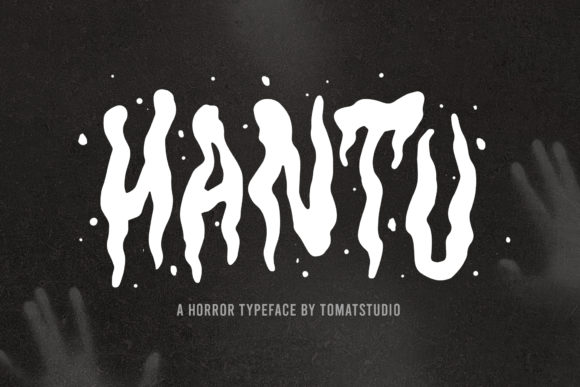
The term "Hantu" is derived from the Malay language and translates to "ghost" or "spirit." The Hantu font captures this essence with its eerie and unconventional letterforms. Unlike traditional fonts, which follow standard typographic rules, the Hantu font breaks these norms to create an unsettling and eye-catching appearance.
This font is especially useful for designers working on themes related to horror, Halloween, supernatural elements, or anything that requires a sense of mystery. Its irregular shapes and bold strokes give it a distinctive look that stands out against other fonts.
Key Features of the Hantu Font
- Unique Letterforms: Each letter in the Hantu font is designed to resemble something otherworldly, making it ideal for creating a haunting effect.
- Versatile Usage: Despite its spooky nature, the Hantu font can be adapted to different design styles, from minimalist to elaborate.
- High Legibility: Even though it's unconventional, the font maintains readability, which is essential for effective communication in design.
- Compatibility: The Hantu font works well with both digital and print media, making it suitable for a wide range of applications.
Why Choose the Hantu Font for Your Designs?
Choosing the right font can make or break the impact of your design. The Hantu font offers several advantages that make it a valuable addition to any designer's toolkit.
Firstly, it adds a unique personality to your project. Whether you're designing a logo for a horror-themed brand or creating a Halloween flyer, the Hantu font can help you stand out from the competition. Its unusual shape and style immediately draw attention and evoke curiosity.
Secondly, the font is highly versatile. While it's primarily associated with spooky themes, it can also be used creatively in other contexts. For example, it could be used for a fantasy-themed book cover, a music album title, or even a fashion label that wants to convey an edgy vibe.
Thirdly, the Hantu font is easy to integrate into design software. Most modern graphic design tools support custom fonts, and the Hantu font is no exception. You can easily download and install it to start using it in your projects right away.
Common Misconceptions About the Hantu Font
There are a few common misconceptions about the Hantu font that designers should be aware of. One of the most frequent misunderstandings is that the font is only suitable for Halloween-related designs. While it does have a strong association with spooky themes, it can be used in a variety of other contexts when styled appropriately.
Another misconception is that the Hantu font is too difficult to read. However, as mentioned earlier, the font is designed to maintain legibility while still being visually striking. When used correctly, it can be both readable and impactful.
Some designers may also think that the Hantu font is too niche or not widely accepted. However, with the rise of digital design and the increasing demand for unique typography, fonts like Hantu are becoming more popular than ever before.
How to Use the Hantu Font Effectively
To get the most out of the Hantu font, it's important to use it strategically. Here are some tips for incorporating the font into your design projects:
- Use It for Headlines: The Hantu font works best for headlines and titles where you want to grab attention. Its bold and unusual style makes it perfect for drawing the viewer's eye.
- Pair It with Other Fonts: While the Hantu font is eye-catching on its own, pairing it with a more traditional font can create a balanced and professional look. For example, you might use Hantu for the main title and a sans-serif font for the body text.
- Experiment with Color and Size: The visual impact of the Hantu font can be enhanced by experimenting with color and size. Using contrasting colors or adjusting the size can help highlight the font and make it more noticeable.
- Consider the Context: Always consider the context in which you're using the font. If you're designing for a brand that has a serious or professional image, you may need to use the Hantu font sparingly or in combination with other fonts.
Real-World Examples of the Hantu Font in Action
Let's take a look at some real-world examples of how the Hantu font has been used in design projects:
- Branding: A boutique specializing in handmade Halloween decorations used the Hantu font for their logo and packaging. The font helped reinforce the brand's spooky theme and attracted customers looking for unique products.
- Wedding Invitations: A couple planning a themed wedding used the Hantu font for their invitation cards. The font added a playful and mysterious element to the design, which matched the overall theme of the event.
- Album Covers: A musician known for his dark and atmospheric music used the Hantu font for his latest album cover. The font complemented the music's mood and helped create a cohesive visual identity.
- Labels and Signatures: A craft store used the Hantu font for product labels and signage. The font made the labels stand out and created a fun and engaging shopping experience for customers.
The Role of Typography in Modern Design
In today's digital age, typography plays a crucial role in design. Fonts are not just about aesthetics; they also influence how information is perceived and understood. The choice of font can affect the tone, mood, and overall message of a design.
The Hantu font is a prime example of how typography can be used to convey specific emotions and ideas. By choosing the right font, designers can enhance the visual appeal of their work and create a stronger connection with their audience.
As technology continues to evolve, so does the world of typography. New fonts are constantly being developed, and designers are always looking for ways to push the boundaries of what is possible. The Hantu font is part of this ongoing evolution, offering a fresh and exciting option for those who want to make a statement with their designs.
Conclusion
The Hantu font is a powerful tool for designers looking to add a unique and spooky touch to their projects. With its distinctive letterforms, versatility, and high legibility, it can be used in a wide range of design contexts. Whether you're working on a Halloween-themed design, a fantasy-inspired project, or simply want to stand out from the crowd, the Hantu font is a great choice.
By understanding how to use the Hantu font effectively and avoiding common misconceptions, you can unlock its full potential and create stunning designs that leave a lasting impression. So why not give it a try and see how it can elevate your next project?