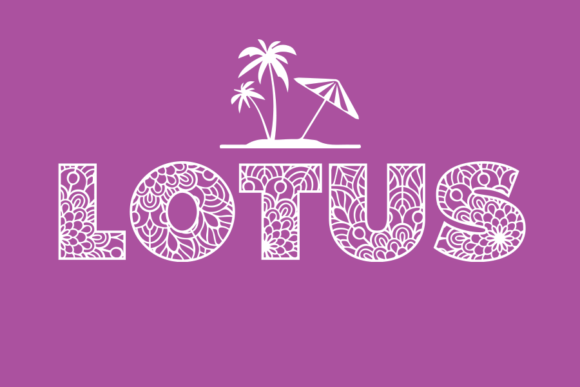
Lotus: A Bold and Chunky Display Font for Creative Impact
Lotus is a display font that commands attention with its bold, chunky letterforms. Designed for visual impact, it's ideal for headlines, logos, and other design elements where presence matters. Whether you're working on branding materials, editorial layouts, or digital interfaces, Lotus brings a strong typographic identity to your creative projects.
Understanding the Characteristics of Lotus
At first glance, Lotus stands out due to its thick strokes and generous spacing. The font has a modern yet slightly retro feel, making it versatile across various design contexts. Its uppercase letters are particularly striking, while lowercase characters maintain readability without compromising the overall aesthetic.
The key characteristics of Lotus include:
- Bold weight: The font’s heavy stroke makes it suitable for large formats where legibility from a distance is important.
- Chunky structure: The wide proportions give each letter a solid, impactful presence.
- Consistent rhythm: Despite its boldness, Lotus maintains a balanced visual rhythm that avoids overwhelming the reader.
- Versatile application: It works well in both digital and print media, including web banners, posters, and packaging.
Practical Use Cases for Lotus
Lotus is not just an eye-catching font; it also serves practical purposes in design workflows. Its use is most effective when the goal is to create hierarchy, emphasize key messages, or establish a strong brand identity.
Consider these scenarios:
- Headlines and titles: Lotus excels at drawing attention to main headings in magazines, websites, or presentations.
- Logos and branding: Its distinctive look can help differentiate a brand visually, especially when paired with minimalistic designs.
- Advertising and promotions: In marketing materials, Lotus can reinforce urgency or importance, such as in call-to-action buttons or promotional banners.
- Event invitations and posters: The bold nature of Lotus ensures visibility even from afar, making it ideal for printed event materials.
Who Benefits Most from Using Lotus?
Professionals who prioritize visual hierarchy and brand differentiation will find Lotus particularly useful. Designers, marketers, and content creators looking to add a touch of authority or creativity to their work may benefit from incorporating this font into their toolkit.
Entrepreneurs launching new products or services can leverage Lotus to craft memorable brand identities. Bloggers and publishers might use it sparingly in headlines to guide readers through content more effectively. Educators and trainers could incorporate it into presentations or handouts to highlight key concepts.
Evaluating Quality and Usability
When assessing a font like Lotus, several factors determine its quality and usability. First, the font's technical aspects—such as character coverage, spacing, and kerning—are crucial for ensuring consistent results across platforms and devices.
Lotus appears to be well-crafted with attention to detail. The spacing between characters is generous but not excessive, allowing for good readability even in larger sizes. Kerning adjustments are likely built-in, reducing the need for manual tweaking in design software.
Another consideration is file format availability. Fonts typically come in standard formats like TTF, OTF, or WOFF, which ensure compatibility with most design tools and web platforms. If Lotus is available in these formats, it becomes more accessible for a wider range of users.
Limitations and Considerations
While Lotus offers many benefits, it's not a one-size-fits-all solution. Its bold and chunky style may not be appropriate for all design contexts. For example, using Lotus in body text could lead to fatigue or difficulty reading extended passages.
Additionally, the font's distinctive appearance might clash with certain color schemes or background textures. Designers should test Lotus in different environments to ensure it complements rather than overwhelms the overall composition.
It's also worth noting that overusing Lotus can diminish its effectiveness. Like any design element, balance is key. Using it sparingly for emphasis rather than throughout an entire layout helps maintain visual harmony.
Integrating Lotus into Your Creative Workflow
To make the most of Lotus, consider how it fits within your existing design system. Start by experimenting with different weights, sizes, and pairings. Pairing Lotus with a more subtle sans-serif or serif font can enhance contrast and improve readability.
For digital use, ensure that the font is properly embedded or linked so that it displays correctly across all devices and browsers. Testing responsiveness is essential, especially if you're using Lotus on a website or mobile application.
If you're using Lotus for print, always check how it renders on different paper types and under varying lighting conditions. High-quality printing is recommended to preserve the font's crisp edges and bold features.
Final Thoughts on Lotus
Lotus is a display font that adds strength and personality to any design project. Its bold and chunky letterforms make it ideal for creating visual impact, whether you're designing a logo, crafting a headline, or producing promotional materials.
While it may not be suitable for every scenario, Lotus offers a unique opportunity to elevate the visual appeal of your work. By understanding its strengths and limitations, you can use it strategically to achieve your creative goals.
As with any design tool, success depends on thoughtful application. When used appropriately, Lotus can become a valuable asset in your creative arsenal, helping you stand out in a crowded visual landscape.