Paper Line: A Joyful Display Font for Creative Designs
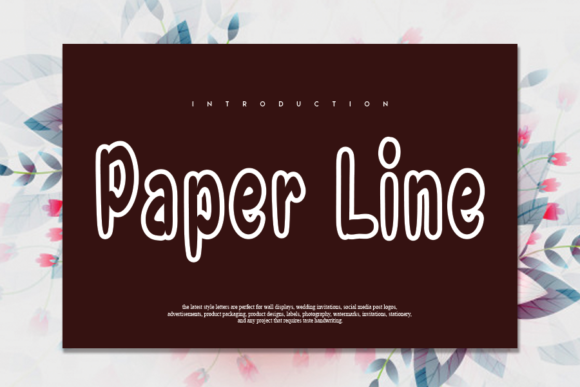
Looking to add a touch of whimsy and charm to your designs? Paper Line is a cute and quirky display font that can transform your creative projects with its playful yet elegant style. Whether you're crafting logos, designing social media posts, or creating marketing materials, Paper Line brings an incredibly joyful touch that makes your work stand out in a crowd.
This unique font has become a favorite among designers who appreciate the balance between fun and professionalism. Its hand-drawn appearance gives it a personal feel, while its clean lines ensure readability even at larger sizes. But like any design tool, using Paper Line effectively requires understanding how to apply it correctly and avoid common pitfalls.
What Is Paper Line and Why It’s Worth Trying
Paper Line is a display font known for its soft curves and delicate strokes, giving it a paper-like texture that mimics handwritten script. It's ideal for headlines, banners, and other prominent text elements where you want to convey warmth and personality.
Many creators are drawn to Paper Line because of its versatility. It works well in both digital and print formats, making it suitable for a wide range of applications—from website headers to packaging designs. Its distinctive look helps draw attention without overwhelming the viewer, making it a great choice for branding and promotional content.
Common Mistakes When Using Paper Line
While Paper Line is visually appealing, there are several mistakes that can undermine its effectiveness. Here are some common issues and how to avoid them:
Mistake 1: Overusing the Font
One of the most frequent errors is using Paper Line too frequently within a single design. This can lead to visual clutter and reduce the impact of the font.
Better Approach: Reserve Paper Line for key elements such as headlines or call-to-action buttons. Use it sparingly to maintain focus and ensure readability across the entire layout.
Mistake 2: Ignoring Readability
Paper Line’s whimsical style might make it less readable in certain contexts. If used for body text, it can be difficult for readers to process quickly.
Better Approach: Always use Paper Line for short bursts of text rather than long paragraphs. Pair it with a more legible sans-serif or serif font for body copy to ensure clarity and accessibility.
Mistake 3: Not Matching the Tone of the Project
Paper Line’s playful nature may not suit every project. Using it for formal or professional content could create a mismatch between the font and the message you’re trying to convey.
Better Approach: Consider the context and audience before selecting Paper Line. It’s best suited for casual, friendly, or creative projects. For more serious or corporate environments, choose a font that aligns with the desired tone.
How to Choose and Apply Paper Line Effectively
Before downloading or purchasing Paper Line, take time to evaluate whether it fits your needs. Here are some factors to consider:
- Project Type: Think about what kind of design you're working on. Paper Line is perfect for logos, greeting cards, posters, and social media graphics but may not be ideal for legal documents or technical reports.
- Color Contrast: Ensure that the color of your text contrasts well with the background. Paper Line’s subtle details can be lost if the contrast is too low.
- Font Pairing: Experiment with different combinations to find a complementary font that enhances the overall look of your design.
Practical Tips for Using Paper Line in Your Work
To get the most out of Paper Line, follow these practical tips:
- Use It for Headlines: Let Paper Line shine by using it for titles, headings, or subheadings where it can capture attention without distracting from the rest of the content.
- Test Different Sizes: Try varying the size of the font to see how it looks in different contexts. Sometimes a slightly larger or smaller size can make all the difference in readability and aesthetics.
- Experiment with Effects: Add subtle effects like shadows or outlines to enhance the visibility of Paper Line in complex layouts or against busy backgrounds.
Final Thoughts on Paper Line
Paper Line is more than just a font—it's a creative tool that can elevate your designs with its cheerful and unique style. By understanding how to use it effectively and avoiding common mistakes, you can ensure that your projects stand out in the right way.
Whether you're a beginner or a seasoned designer, taking the time to learn about fonts like Paper Line can greatly improve your work. So go ahead, explore this delightful font, and let it bring a smile to your next creative endeavor.