Rankerton: A Bold and Authentic Display Font That Elevates Creativity
Rankerton is more than just a font—it's a statement. With its bold, authentic design and celebration of abstract shapes, Rankerton brings a unique energy to any creative project. Whether you're designing a logo, crafting a poster, or writing a blog post, this display font can make your ideas stand out in a visually striking way. But like any tool, using Rankerton effectively requires understanding how it works and avoiding common pitfalls that could undermine its potential.
What Is Rankerton?
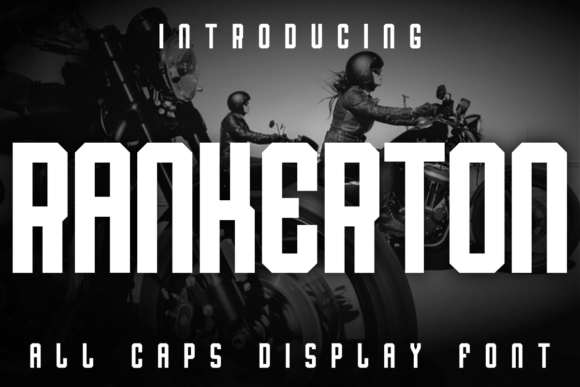
Rankerton is a display font that embraces the beauty of abstract shapes with a modern, eclectic flair. It’s designed for impact, making it ideal for headlines, titles, and other visual elements that need to grab attention. The font features strong, dynamic strokes and geometric forms that create a sense of movement and energy. This makes it especially appealing to designers, marketers, and creatives looking to add a touch of originality to their work.
Its versatility allows it to be used across various platforms—from digital media to print—and its clean lines and structured shapes ensure readability even at larger sizes. However, because of its bold nature, it's not always the best choice for body text, which we'll explore further below.
Common Mistakes When Using Rankerton
While Rankerton is an excellent font for many applications, there are some common mistakes that users often make when incorporating it into their designs. These errors can affect the overall effectiveness of the message being communicated and reduce the visual appeal of the content.
Mistake 1: Using Rankerton for Body Text
One of the most frequent misuses of Rankerton is applying it as a body text font. Because of its large, stylized letterforms, Rankerton is not well-suited for long paragraphs or dense blocks of text. Reading through extended sections in this font can be tiring and may lead to poor user engagement.
Better Approach: Reserve Rankerton for headlines, subheadings, or short bursts of text. Pair it with a more readable sans-serif or serif font for body copy to maintain both aesthetics and usability.
Mistake 2: Overusing Rankerton
Another common mistake is overusing Rankerton in a single design. Applying it to every heading or graphic element can result in a cluttered and overwhelming layout. This dilutes the font's impact and can make the design feel unprofessional or chaotic.
Better Approach: Use Rankerton strategically. Limit its use to key areas where it can have the most visual impact, such as main titles or call-to-action buttons. This ensures that the font remains effective rather than distracting.
Mistake 3: Ignoring Font Pairing
Rankerton has a distinctive look, and pairing it with the wrong font can lead to a mismatch in style and tone. Choosing fonts that clash with Rankerton's geometric and abstract qualities can make the design appear disjointed.
Better Approach: Pair Rankerton with complementary fonts that balance its boldness. Consider using a clean, minimalist sans-serif font for body text or a more traditional serif font for contrast. Tools like Google Fonts can help you find suitable pairings based on style and purpose.
What to Check Before Using Rankerton
Before deciding to use Rankerton in your project, take a moment to evaluate whether it aligns with your goals and audience. Here are some important factors to consider:
- Purpose of the Design: Is Rankerton appropriate for the type of content you're creating? If your goal is to convey professionalism or clarity, a simpler font might be more suitable. Rankerton is best used when the objective is to create a strong visual impression or evoke a sense of creativity.
- Audience: Consider who will be viewing your design. If your audience prefers a more traditional or formal aesthetic, Rankerton might not be the best fit. On the other hand, if your audience appreciates bold, modern styles, Rankerton could be a great match.
- Legibility: Always test how Rankerton looks at different sizes and on various devices. While it excels in large formats, it may not be as legible in smaller sizes or on mobile screens.
- Licensing: Make sure you understand the licensing terms for Rankerton. Some fonts require specific permissions for commercial use, and using them without proper authorization can lead to legal issues.
How Rankerton Can Transform Your Creative Ideas
When used correctly, Rankerton has the power to elevate your creative projects. Its abstract shapes and dynamic forms can turn simple text into a visual experience that captures attention and conveys emotion. This makes it particularly useful for branding, marketing materials, and artistic compositions where visual impact is key.
For example, a blogger looking to create a unique website theme could use Rankerton for headlines to give their content a fresh and modern feel. Similarly, a small business owner designing promotional materials might choose Rankerton to stand out from competitors and leave a lasting impression on customers.
However, it's important to remember that Rankerton should enhance—not overshadow—your message. The goal is to use it in a way that supports the content and improves the overall design, not to rely on it as a crutch for weak visuals.
Conclusion
Rankerton is a powerful and expressive display font that can bring creativity and personality to your designs. By understanding its strengths and limitations, you can avoid common mistakes and use it in ways that truly enhance your work. Whether you're a beginner exploring new fonts or a professional designer looking to refine your skills, Rankerton offers a unique opportunity to make your creative ideas come alive.