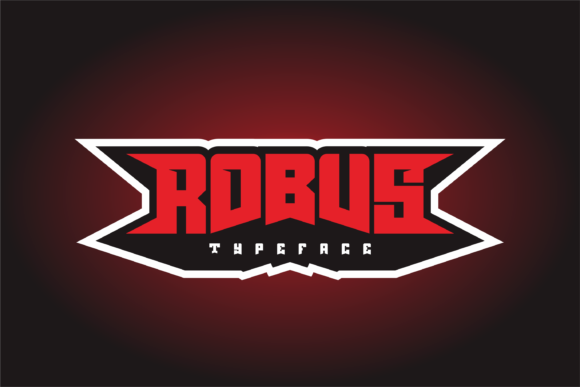
Robus: A Bold Display Font That Elevates Visual Communication
Robus is a display font that stands out with its bold, chunky letterforms and strong visual presence. Designed for impact, it brings energy and emphasis to any text it touches. Whether you're creating headlines, logos, or promotional materials, Robus can transform the way your message is perceived.
Understanding the Design and Purpose of Robus
At first glance, Robus commands attention. Its thick strokes and generous spacing give each character a robust, almost architectural feel. This makes it particularly well-suited for short bursts of text where clarity and strength are essential. Unlike more traditional serif or sans-serif fonts, Robus leans into its uniqueness to create a memorable typographic identity.
The design philosophy behind Robus centers on simplicity and strength. Each letter is crafted with clean lines and minimal ornamentation, allowing the form itself to be the focus. This approach ensures that the font remains legible even at smaller sizes while maintaining its bold character when scaled up.
Key Characteristics of Robus
- Bold Weight: The heavy weight of Robus gives it an authoritative feel, making it ideal for headlines and titles.
- Chunky Letterforms: The thick, rounded shapes add a sense of stability and confidence to any design.
- High Contrast: The difference between thick and thin strokes enhances readability and visual interest.
- Versatile Use: Despite its bold nature, Robus can be adapted to various contexts, from digital media to print.
Real-World Applications and Performance
In practical use, Robus shines in scenarios where the goal is to capture attention quickly. It works exceptionally well for branding elements such as logos, taglines, and advertising banners. For instance, a local gym promoting a new fitness program could use Robus for its slogan to convey power and determination.
When applied to web content, Robus performs reliably across different screen sizes and resolutions. Its legibility is maintained even when used in responsive designs, ensuring that the message remains clear and impactful regardless of viewing conditions.
However, due to its bold nature, Robus may not be the best choice for long paragraphs or body text. Its large, chunky letters can overwhelm the reader if used extensively, which limits its effectiveness in certain contexts.
Who Benefits Most from Using Robus?
Professionals in creative fields such as graphic design, marketing, and advertising will find Robus to be a valuable addition to their toolkit. Its ability to convey strength and urgency makes it particularly useful for campaigns targeting audiences looking for bold, confident messaging.
Entrepreneurs and small business owners can leverage Robus to create eye-catching brand identities that stand out in crowded markets. Bloggers and content creators might use it sparingly in headers or call-to-action buttons to draw attention to key points.
Educators and publishers may also benefit from Robus when designing educational materials or presentations that require a strong visual hierarchy. Its use can help highlight important concepts or instructions without distracting from the main content.
Evaluating Quality, Usability, and Long-Term Value
Robus is built with quality in mind. The font’s design is consistent across all characters, ensuring a professional appearance in any application. The file formats provided (such as OTF and TTF) support both desktop and web use, adding to its versatility.
From a usability standpoint, Robus is straightforward to implement. Most design software and web platforms offer easy integration options, reducing the learning curve for new users. Its performance in different environments—whether printed or displayed digitally—is reliable, making it a dependable asset for any project.
In terms of long-term value, Robus offers a unique aesthetic that can enhance a brand's visual identity over time. As trends evolve, fonts that remain timeless and adaptable are more likely to maintain relevance. Robus, with its strong foundation and clean design, fits this criterion well.
Potential Limitations and Considerations
While Robus excels in specific applications, it is not without limitations. Its boldness may not align with every brand's tone or audience. For example, a tech startup aiming for a minimalist and modern look might find Robus too overpowering for its needs.
Additionally, due to its chunky nature, Robus may not scale well in very small sizes. Designers should test how it appears at different dimensions before finalizing its use in a project. Proper spacing and contrast adjustments can help mitigate these issues but require some level of typographic expertise.
Another consideration is that Robus may not be suitable for multilingual projects. While it supports Latin-based languages effectively, its character set might not cover other scripts or special symbols needed for international communication.
Practical Recommendations for Using Robus
To make the most of Robus, consider using it in combination with more subtle fonts for body text. Pairing it with a lighter, more readable font can create a balanced and visually appealing layout.
Experiment with different weights and sizes to see how Robus interacts with your overall design. Sometimes, a slightly thinner variant or a reduced size can still maintain its bold impact while being more versatile in layout.
For web developers, ensure that Robus is properly optimized for loading speed. Large font files can slow down page performance, so it's wise to use it only where necessary and compress the file if possible.
Finally, always consider the context and audience when deciding whether Robus is the right choice. A font that feels powerful in one setting might come off as unprofessional in another. Understanding the nuances of typography helps in making informed decisions that align with your goals.
Robus is more than just a font—it's a tool that can shape the way your message is received. When used thoughtfully, it can bring creativity to life and leave a lasting impression on your audience.